


I used to feel overwhelmed when starting Bible study online. Now, bible study tools make learning fun and effective. Platforms like Closerout’s Bible collection adapt to my needs and offer interactive features. I love browsing their Bible category page for new resources. Plus, free worldwide shipping over $39.99 feels like a bonus! 📚
Key Takeaways
- Choose Bible study tools that fit your learning style, like reading, listening, or visuals, to make studying easier and more enjoyable.
- Set clear, small goals and follow structured plans to stay motivated and complete your Bible study successfully.
- Use visuals, join online groups, and try creative resources like audio Bibles or illustrated guides to deepen understanding and keep your study engaging.
Choosing Bible Study Tools
Comparing Online Platforms
When I started exploring bible study tools, I noticed so many options online. Each platform offers something unique. Here are a few that stand out:
- Bible Gateway: I love the huge selection of Bible versions and the easy search features.
- Study Light: This site has tons of resources, like commentaries and original language tools.
- Logos Bible Study App: Perfect for deep dives, especially if you want sermon outlines or detailed commentaries.
- Blue Letter Bible: Great for digging into original languages. I use it when I want to understand a verse better.
- Through the Word: Fun audio guides make learning easy and engaging.
- Bible Hub: Offers summaries, outlines, and interlinear texts for detailed research.
- Bible Study Tools: Combines dictionaries, encyclopedias, and multimedia resources.
Tip: Think about your learning style. Do you like reading, listening, or exploring visuals? Pick a tool that matches your preference.
Here’s a quick look at some features:
|
Tool Name |
Key Features |
|---|---|
|
Bible Gateway |
Many translations, flexible search, Bible encyclopedia |
|
Blue Letter Bible |
Simple structure, quality study resources |
|
Bible Hub |
Text analysis, word studies |
|
Study Light |
Huge resource library, maps by epoch |
|
Bible Study Tools |
Dictionaries, encyclopedias, Christian classics |
Closerout’s Bible Collection
I often turn to Closerout’s Bible collection when I want something reliable and easy to use. Their resources fit all kinds of study needs. For example, The Bible in a Year gives me a clear, week-by-week plan, which helps me stay on track. If I want to see the big picture, the Rose Book of Bible Charts, Maps & Time Lines brings the stories to life with visuals. I find these bible study tools make my learning more engaging and help me remember what I read.
FAQs
Q: What is the best online Bible study tool for beginners?
A: Bible Gateway and Closerout’s Bible collection are both user-friendly and great for starting out.
Q: How do I choose the right Bible study tool for my needs?
A: Think about your goals and learning style. Try a few platforms to see which one fits you best.
Setting Study Goals and Plans
Creating Study Objectives
When I started my Bible study journey, I realized I needed clear goals. Setting objectives helps me stay focused and motivated. I usually ask myself, "What do I want to learn today?" or "How can I apply this lesson in my life?" Here are some methods that work for me:
- I take good notes during my study. This keeps me engaged and helps me remember key points.
- I use bible study tools like concordances and commentaries to dig deeper into the meaning of verses.
- I read actively and reflect on how the scripture connects to my daily life.
- I connect with an accountability partner. We check in with each other and share insights, which keeps me committed.
Tip: Write down your objectives before you start. It makes your study time more meaningful and productive. ✍️
Using The Bible in a Year
I love following a structured plan because it keeps me on track. "The Bible in a Year" is one of my favorite guides. It breaks the Bible into manageable weekly readings, so I never feel overwhelmed. You can find it here.
Check out these completion rates for structured plans:
|
Statistic |
Value |
|---|---|
|
Completion Rate of Americans |
13-20% |
|
Predicted Finish Rate on YouVersion |
1 in 5 |
|
Completion at Brentwood Baptist Church |
~5,000 people |
Structured plans like this boost my motivation and help me finish what I start. I use bible study tools to track my progress and celebrate milestones. 📅
Note: Consistency is key. Even small steps each day add up to big results!
FAQs
Q: How do I set realistic Bible study goals?
A: Start with small, specific objectives. Write them down and review them often.
Q: Is it better to follow a structured plan or study randomly?
A: Structured plans help you stay organized and increase your chances of finishing your study.
Using Visual Study Tools

Enhancing Understanding with Visuals
I always learn better when I can see what I’m studying. Visuals like charts, maps, and timelines help me connect the dots in the Bible. When I look at a map of ancient Israel, I can picture where Jesus walked. Timelines show me how stories fit together. These tools make the Bible feel real and alive.
Let me share a quick table that shows why visuals matter in Bible study:
|
Evidence Type |
Description |
|---|---|
|
Historical Development |
Early Christian art and illuminated manuscripts taught people who couldn’t read. Maps show real Bible places. |
|
Modern Approaches & Tools |
Digital apps use 3D models and interactive maps to bring stories to life. |
|
Spiritual Benefits |
Visuals help me remember, understand, and share what I learn. |
I also love using virtual Bible tours and videos. They take me to the places I read about. When I see these locations, the stories stick with me. I use bright colors and sticky notes in my Bible to highlight important verses. Sometimes, I even draw little symbols next to key passages.
"A picture is worth a thousand words." I find this so true when I study the Bible.
Recommended Study Guides
One of my favorite resources is the Rose Book of Bible Charts, Maps & Time Lines. It’s packed with colorful visuals that make learning easy and fun. I also recommend checking out the Visual Theology Guide to the Bible and videos from BibleProject or Whiteboard Bible on YouTube. These guides help me see the big picture and remember what I learn.
Tip: Try different visual tools and see which ones help you most!
FAQs
Q: What are the best visual aids for Bible study?
A: Charts, maps, timelines, and videos are all great for making the Bible easier to understand.
Q: How do visuals help with Bible study?
A: Visuals make stories more memorable and help you see how everything fits together.
Engaging with Online Communities
Joining Study Groups
I’ve found that joining online Bible study groups makes my learning journey much richer. When I connect with others, I get new perspectives and feel supported. These groups help me stay motivated, especially when I want to dive deeper into scripture. Here’s what user surveys say about the main benefits:
|
Benefit |
Description |
|---|---|
|
Community Building |
I build real connections with people who share my faith and goals. |
|
Personal Growth |
I notice personal development as I study and discuss with others. |
|
Engagement Preferences |
I can choose groups that match my style, whether I like lively chats or quiet reflection. |
I also see that active participation leads to better understanding and spiritual growth. When I share my thoughts or ask questions, I remember more and apply lessons to my life. Facilitators often encourage everyone to join in, which makes learning stick.
Tip: Don’t be shy! Even if you’re new, your questions and insights matter. 😊
Sharing on Closerout Blog
I love sharing what I learn and reading others’ insights. The Closerout blog is a great place for this. I post questions, share discoveries, and read stories from people on similar journeys. This helps me feel part of a bigger community. It’s also a good way to find new bible study tools and ideas.
- I learn best when I teach or explain to others.
- I enjoy reading different viewpoints and experiences.
Note: Online communities make Bible study more engaging and less lonely.
FAQs
Q: How do I find a good online Bible study group?
A: Look for groups that match your interests and schedule. Try a few until you find one that feels right.
Q: Why should I share my insights on a blog or forum?
A: Sharing helps you remember what you learn and encourages others on their journey.
Exploring Topical Study Guides
Using Topical Guides
I often find that topical Bible study methods help me dig deeper into Scripture. Instead of reading straight through, I pick a theme that matters to me—like forgiveness, hope, or prayer. This approach keeps my study focused and personal. Here’s how I usually tackle a topical study:
- I choose a topic that fits my current questions or struggles.
- I look up the topic in a Bible dictionary or use a concordance to find related verses.
- I read each verse in context and jot down what stands out.
- I reflect on how these verses connect and what God might be teaching me.
- I summarize my insights and think about how to apply them in my life.
This method makes the Bible feel more relevant and helps me see how different passages connect. I love using guides that organize these themes for me. The 66-Page Bible Study Guide from Closerout is one of my favorites. It covers dozens of topics and gives me a clear path to follow. 📖
Tip: Topical guides are perfect if you want to explore what the Bible says about real-life issues.
Beginner-Friendly Resources
When I started, I wanted resources that made things simple. I tried a few beginner-friendly Bible study guides and found some that really helped:
- The Beginner’s Bible Study Guide breaks down each lesson into easy steps.
- The NIV Starting Place Study Bible and NLT Christian Basics Bible use clear language and answer common questions.
- Free tools like the Faithlife Study Bible and Logos app are great for exploring on a budget.
I also like using lists and checklists to track my progress. Many guides include these, which keeps me motivated. If you’re just starting out, don’t worry—there are plenty of resources designed for you!
Note: Starting with a beginner-friendly guide can build your confidence and make Bible study a habit. 😊
FAQs
Q: What is a topical Bible study guide?
A: It’s a resource that helps you explore what the Bible says about specific themes, like faith or anxiety.
Q: Which Bible study guide is best for beginners?
A: I recommend the Beginner’s Bible Study Guide or the NIV Starting Place Study Bible for clear, simple lessons.
Multimedia and Creative Resources
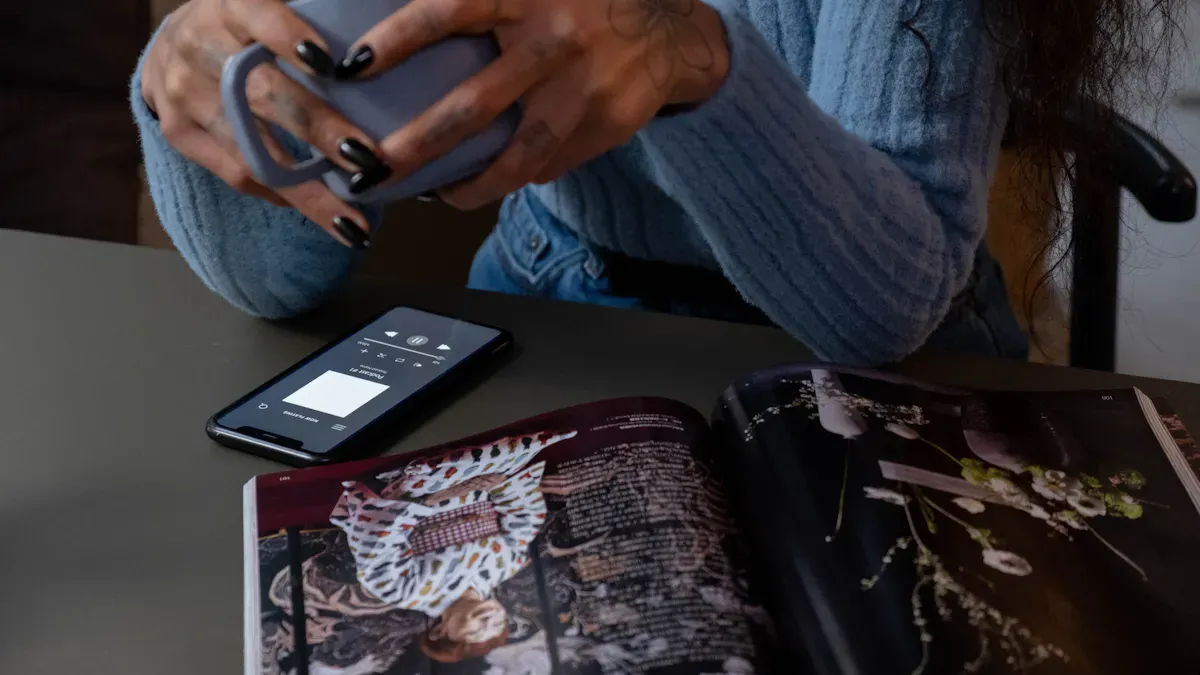
I love mixing up my Bible study with creative tools. Multimedia resources like audio Bibles, podcasts, and illustrated guides make learning more fun and accessible. They help me stay engaged, especially when I want to try something new or need a break from reading.
Audio and Podcasts
Audio Bibles and podcasts have changed the way I connect with Scripture. I can listen while I walk, drive, or relax at home. These tools help me fit Bible study into my busy day. They also make the Bible more accessible for people with visual impairments or learning differences. For example, MegaVoice audio Bibles use clear audio and tactile keypads, making it easier for everyone to engage with God’s Word. I’ve noticed that listening helps me remember stories and lessons better.
Here are some popular Bible study podcasts I enjoy:
- Open Book with Dr. Stephen Nichols – Explores classic Christian books and theology.
- Truth Tribe – Focuses on apologetics and current issues.
- The Land and the Book – Brings biblical history to life.
- Bible Recap – Offers daily reflections and helps me stay on track.
These podcasts fit different learning styles. Some give deep dives, while others offer quick devotionals. I pick what matches my mood or schedule.
Tip: Try listening to a chapter or devotional during your commute or workout. 🎧
Illustrated and Comic Bibles
Visual learners like me benefit from illustrated and comic Bibles. They turn stories into vivid scenes, making them easier to understand and remember. The Hero Bible, for example, uses anime-style art to bring stories like David and Goliath to life. Interactive Christian comics add a modern twist, letting me explore lessons in a way that feels fresh and personal.
One of my favorite creative tools is The Comic Bible. It uses full-color illustrations to retell Bible stories, which makes them fun for both kids and adults. I also enjoy exploring other illustrated Bibles and graphic guides when I want a new perspective.
Note: Creative resources can make Bible study feel less intimidating and more enjoyable for all ages. 📚
FAQs
Q: Are audio Bibles good for daily study?
A: Yes! They help you fit Scripture into your routine and support different learning needs.
Q: What’s the best illustrated Bible for beginners?
A: The Comic Bible is a great choice for all ages, especially if you enjoy colorful stories.
Tracking Progress and Reflection
Using Workbooks and Journals
I’ve found that tracking my Bible study journey with workbooks and journals makes a huge difference. When I jot down notes or answer reflection questions, I stay focused and remember more. I love using the Bible Study Workbook for Kids because it’s packed with lessons, activities, and quizzes that keep things interesting. Even as an adult, I find that structured prompts help me dig deeper into Scripture.
Here’s a quick look at why journals and workbooks work so well:
|
Evidence Description |
Key Benefit |
|---|---|
|
Journaling provides private accountability and structure for quiet time with God. |
Enhances personal growth and engagement with Scripture. |
|
It allows monitoring of thoughts and tracking personal growth over time. |
Supports deeper understanding and reflection on Scripture. |
|
Taking notes while reading Scripture enriches the Bible study experience. |
Increases focus and comprehension of biblical texts through structured reflection. |
I also use other tools, like spiral-bound notebooks or digital journals, to keep my thoughts organized. Taking notes and reflecting on verses helps me ask better questions and meditate on what I read. 📓
Setting Reminders and Milestones
Staying consistent with Bible study can be tough, but reminders and milestones keep me on track. I set daily or weekly reminders on my phone, and I celebrate small wins—like finishing a book or reaching a new chapter. These little celebrations boost my motivation and help me see how far I’ve come.
Some strategies that work for me:
- I join Bible reading communities for accountability.
- I share insights with friends to stay engaged.
- I use tracking apps to monitor my progress.
- I set regular check-ins to keep my habit strong.
Digital habit trackers make it easy to visualize my progress. When I see my streaks grow, I feel encouraged to keep going. Recognizing milestones gives me a sense of accomplishment and makes Bible study more rewarding. 🎉
Tip: Turn your spiritual goals into daily actions with reminders and celebrate every step forward!
FAQs
Q: How do I stay motivated to keep up with Bible study?
A: Set small goals, use reminders, and celebrate milestones to make your progress visible and rewarding.
Q: What’s the best way to track my Bible study journey?
A: Use a workbook or journal to record your thoughts, and try digital trackers for extra motivation.
I’ve seen how bible study tools help me grow in faith and knowledge. They make learning fun, build community, and keep me engaged. I invite you to try these strategies and explore Closerout’s Bible collection or The Bible in a Year. Free worldwide shipping over $39.99 is a great bonus! 🌍
FAQ
How do I start Bible study if I feel overwhelmed?
I pick one simple tool, like an audio Bible or a beginner’s guide. I focus on one chapter or story at a time. 😊
What’s the best way to stay consistent with online Bible study?
I set daily reminders and join a study group. Tracking my progress with a journal or app keeps me motivated and on track.
Can I use Bible study tools with my family or kids?
Yes! I use illustrated Bibles and workbooks for family time. These tools make learning fun and help everyone grow together. 👨👩👧👦


