


You want your child to succeed, and building good study habits early makes a big difference. Implementing the best study tips for children, such as organizing notes, reviewing key ideas, and practicing active reading, often leads to better performance in school. Closerout supports families with resources like Building the Ultimate Brain Encyclopedia for Children: Why 100,000? 🧠. Explore our Kids & family category and enjoy special promotions today!
Key Takeaways
- Set a daily study time to build strong habits and improve focus.
- Create a distraction-free study space to help your child concentrate.
- Use colorful notes and mind maps to make learning fun and memorable.
Best Study Tips for Children: Build a Routine
Set a Daily Study Time
Creating a daily study time helps your child develop strong habits that improve memory and focus. When children know exactly when to study, they face less resistance after school. Setting a consistent time and place for homework encourages independence and builds confidence. You can start with just 15 minutes a day. Over a year, this small commitment adds up to more than 90 hours of learning! 📚
Try using a visual schedule to mark study times. This helps your child see what to expect and prepares their mind for learning. Keep all necessary supplies nearby to avoid distractions. A quiet, organized space supports concentration and helps your child work without interruptions.
Tip: Involve your child in choosing the study time. When they feel part of the decision, they take more ownership of their learning routine.
Adapt Routines to Each Child
Every child learns differently. Adapting study routines to fit your child’s needs makes studying less stressful and more effective. For example, some children focus better with short breaks, while others prefer longer sessions. Notice how your child responds and adjust accordingly.
Tailoring routines also means recognizing when your child needs movement or a change of scenery. Allowing short physical breaks can boost attention and reduce restlessness. Empower your child by letting them help design their study plan. This builds good habits and makes learning a positive experience.
Remember, the best study tips for children include flexibility and patience. A routine that fits your child’s style encourages steady progress and a love for learning. 🌟
Frequently Asked Questions
Q: How long should my child study each day?
A: Start with 15 to 30 minutes daily. Short, consistent sessions help build focus without overwhelming your child.
Q: What if my child resists the study routine?
A: Involve them in setting the schedule and allow breaks. Making the routine flexible and fun reduces resistance.
Explore more helpful resources in Closerout’s Kids & family category to support your child’s learning journey. Don’t forget to check out Building the Ultimate Brain Encyclopedia for Children: Why 100,000?* for curious minds eager to explore! 🧠
Create a Distraction-Free Study Space
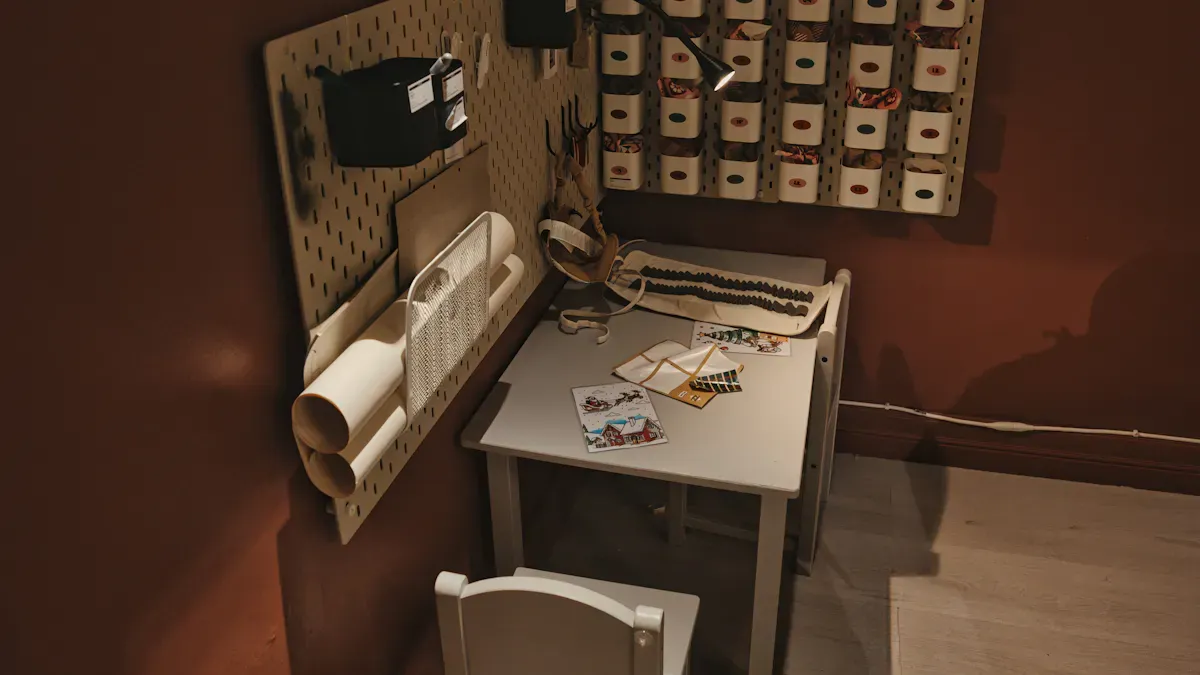
A quiet, clutter-free study space helps your child focus and learn more effectively. You can set up a special area at home that feels calm and organized. This space should avoid high-traffic spots, like the kitchen or living room, to reduce interruptions. Children concentrate better when their environment supports their needs.
Organize the Study Area
Start by choosing a spot with good lighting. Natural light boosts alertness and reduces eye strain. Make sure the area has comfortable furniture and is well-ventilated. A tidy desk with only the essentials—pencils, paper, and books—keeps distractions away. When you organize the study area, your child spends less time searching for supplies and more time learning.
-
Benefits of an organized study space:
-
Reduces distractions and helps your child focus.
-
Makes it easier to find materials quickly.
-
Creates a sense of calm and readiness for learning.
-
Personalized, simple decor can make the space inviting without feeling busy.
-
Tip: Let your child help arrange their study area. This gives them ownership and encourages responsibility.
Use Agenda Books for Organization
Agenda books are powerful tools for elementary students. You can use them to track assignments, tests, and important dates. Writing down tasks helps your child remember what to do and when to do it. This habit builds strong organizational skills and reduces stress.
Encourage your child to check their agenda book daily. This routine supports healthy study habits and keeps them on track. Many families find that using agenda books is one of the best study tips for children because it teaches time management early.
FAQs
Q: What should I avoid in a study space?
A: Avoid noisy areas, clutter, and electronic distractions like TVs or tablets.
Q: How can I make the study area more comfortable?
A: Use a supportive chair, good lighting, and keep the space tidy. Add a favorite pencil holder or small plant for a personal touch.
Encourage Active Note-Taking
Use Worksheets and Colorful Notes
Active note-taking helps your child engage with the material and remember it better. Worksheets provide a structured way to practice new skills and reinforce lessons. When children write answers or fill in blanks, they process information more deeply than by just reading or listening.
Adding color to notes makes studying more enjoyable and effective. Using different colored pens or highlighters helps your child organize ideas visually. For example, they can use one color for definitions and another for examples. This method improves focus and makes reviewing easier. Encourage your child to decorate notes with drawings or symbols to make learning fun and memorable. 🎨
Try Mind Maps and Drawing
Mind maps and drawing techniques boost creativity and understanding. They help your child organize information visually, making complex ideas easier to grasp. Mind maps connect related concepts, which improves knowledge retention and encourages critical thinking.
Here is how mind maps benefit young learners:
|
Benefit |
Description |
|---|---|
|
Organizes and visualizes information, helping your child remember and recall facts better. |
|
|
Increased Creativity |
Encourages exploring different ideas and connections, sparking creative thinking. |
|
Enhanced Productivity |
Provides a clear overview, helping your child stay focused and work efficiently. |
|
Collaboration |
Supports teamwork by allowing children to share and build ideas together. |
|
Organizing Information |
Helps link ideas logically, making complex topics easier to understand. |
|
Deeper Understanding |
Promotes critical thinking by showing how concepts relate to each other. |
|
Flexibility and Adaptability |
Allows easy updates as your child learns new information, supporting ongoing growth. |
Mind maps reduce mental overload by breaking down big topics into smaller parts. Drawing pictures alongside notes activates both visual and verbal memory, making learning stronger. These techniques transform abstract ideas into clear, concrete understanding. Using mind maps and drawings ranks among the best study tips for children because they make learning active and enjoyable. 🧠✨
FAQs
Q: How can I help my child start using mind maps?
A: Begin with a simple topic and encourage your child to write the main idea in the center. Then, add branches for related ideas using colors and drawings.
Q: Are colorful notes better than plain notes?
A: Yes, colors help highlight important points and make reviewing easier. They also keep your child interested and motivated to study.
Explore Closerout’s Kids & family category for more tools that support active learning. Don’t miss *Building the Ultimate Brain Encyclopedia for Children: Why 100,000?* to inspire curiosity and knowledge-building. 📚
Practice with Flashcards and Quizzes

Reinforce Learning with Flashcards
Flashcards and quizzes help your child remember important facts and ideas. You can use flashcards for vocabulary, math facts, or science terms. Many teachers and parents recommend flashcards because they improve homework accuracy and may help raise test scores. When your child uses flashcards, they practice recalling information, which strengthens memory.
Digital tools like Quizlet also support learning. Studies show that using Quizlet for vocabulary can have a moderate positive impact on achievement. Children who use digital flashcards often see better results in vocabulary tests. These tools make studying interactive and fun, which keeps your child motivated.
Tip: Mix up the order of flashcards each time. This helps your child learn the material, not just the sequence.
Schedule Regular Review Sessions
Regular review sessions help your child remember what they learn. You can set up a schedule that fits your family’s routine. The table below shows different review frequencies and how they work:
|
Review Frequency |
Description |
|---|---|
|
Daily Review |
Ideal for subjects that build on previous knowledge, such as math or languages. Spend 15-30 minutes each day revisiting what you learned the day before. |
|
Weekly Review |
Effective for broader subjects like history or science. Set aside one or two hours each weekend to review the week's material. |
|
Bi-Weekly Review |
Suitable for students with multiple subjects or limited time. Review key concepts from the last few weeks every two weeks. |
You can choose the schedule that works best for your child. Consistent review helps information move from short-term to long-term memory. This makes learning stick and builds confidence.
Using flashcards and quizzes ranks among the best study tips for children. These tools make learning active and enjoyable, helping your child succeed in school. 🎉
FAQs
Q: How can I make flashcard practice more fun?
A: Turn it into a game or use colorful cards. Let your child quiz you, too!
Q: Are digital flashcards as effective as paper ones?
A: Yes, digital flashcards like Quizlet can be just as helpful and often include interactive features.
Include Physical Activity Before Study
Exercise or Outdoor Play
Physical activity before study time can boost your child’s brainpower and help them focus. When you encourage your child to move, you support both their body and mind. Children who stay active show better motor skills and stronger cognitive development than those who sit for long periods. Aerobic activities, such as jumping rope or playing tag, can make a big difference in how your child learns.
- Physically active children often perform better in school.
- Movement supports skills like memory, attention, and problem-solving.
- Aerobic training can improve intelligence and perceptual skills.
- Adding physical activity to your child’s daily routine can lead to higher academic achievement.
A quick game outside or a brisk walk before homework can set a positive tone for study time. You help your child feel energized and ready to learn. 🌳🏃♂️
Short Movement Breaks
Short movement breaks during study sessions help your child stay focused and alert. Even a few minutes of stretching or dancing can refresh the mind. These breaks increase oxygen flow to the brain, which boosts concentration and helps your child return to tasks with renewed energy.
|
Activity Type |
Benefit |
|---|---|
|
Classroom-based physical activity |
Improves attention and on-task behavior |
|
Brief outdoor active play |
Enhances focus and supports better learning outcomes |
|
Physical activity integration |
Positively influences math and reading skills |
You can use simple activities like jumping jacks, stretching, or a quick dance party. These brain breaks help your child unwind and refocus. Research shows that regular movement breaks do not harm academic performance. In fact, they often lead to better results in subjects like math and reading.
Tip: Try setting a timer for study sessions and include a short movement break every 20–30 minutes. This keeps study time productive and enjoyable. 🎵
FAQs
Q: How much physical activity should my child get before studying?
A: Ten to fifteen minutes of moderate exercise or outdoor play is enough to boost focus and readiness for learning.
Q: What are some easy movement breaks for study time?
A: Try jumping jacks, stretching, or a quick walk around the room. Even simple movements help refresh the mind.
Explore more ways to support your child’s learning in the Kids & family category and discover engaging resources like Building the Ultimate Brain Encyclopedia for Children: Why 100,000?* 🧠
Use Educational Tools and Resources
You can boost your child’s learning by using high-quality educational tools and resources. The Kids & Family category on Closerout offers a wide range of products designed to make learning fun and effective. You will find books, games, and interactive materials that support every subject and learning style. These resources help you create a rich learning environment at home or in the classroom.
Explore Closerout’s Kids & Family Category
When you explore the Kids & Family category, you discover tools that encourage curiosity and creativity. Products like BrainPOP and Quizlet engage children with videos, quizzes, and flashcards. The table below shows some popular educational tools and their uses:
|
Tool |
Purpose |
When to Use |
|---|---|---|
|
BrainPOP |
Videos and quizzes on many topics |
Lesson launches or class instruction |
|
Quizlet |
Flashcards and study games |
Practice and review |
|
Kahoot! |
Game-based quizzes for engagement |
Review sessions or after instruction |
|
Google Drive |
Real-time collaboration on documents |
Ongoing projects and teamwork |
You can use these tools to reinforce lessons, track progress, and make study time enjoyable. Many families find that using a mix of resources leads to better results.
Try "Building the Ultimate Brain Encyclopedia for Children: Why 100,000?" and More
One standout product is Building the Ultimate Brain Encyclopedia for Children: Why 100,000?. This encyclopedia sparks curiosity with fascinating facts and colorful illustrations. It supports independent learning and helps children build a strong knowledge base. You can also find other engaging books and games in the Kids & Family collection.
Take advantage of current promotions, such as buy three get one free or $10 off orders over $100. These deals make it easier to stock up on the best study tips for children and resources for your family. For more ideas, visit our blog for tips and inspiration.
Tip: Rotate different tools and activities to keep your child excited about learning! 🎲📚
FAQs
Q: What makes educational tools effective for elementary students?
A: Tools that combine visuals, interaction, and feedback help children understand and remember new concepts.
Q: Where can I find more resources for home learning?
A: Check out the Kids & Family category and our blog for more recommendations.
Foster Focus and Minimize Distractions
Teach Mindfulness Techniques
Helping your child develop mindfulness skills can improve their focus and reduce stress during study time. Mindfulness means paying attention to the present moment without judgment. You can teach your child simple breathing exercises or quiet moments to shift from play to work smoothly. For example, encourage your child to take three deep breaths before starting homework. This practice calms the mind and prepares them to concentrate.
Create a distraction-free zone by setting up a quiet, clutter-free workspace. Use visual reminders like a small object or picture on the desk to help your child refocus when their attention drifts. Practicing active listening at home also supports mindfulness. Encourage your child to listen carefully and respond without interrupting. These habits build patience and improve attention span.
Tip: Model mindfulness yourself by setting aside time for quiet reading or focused work. Children learn best when they see adults practicing what they teach. 🧘♂️✨
Use Timers and Short Breaks
Using timers helps your child manage study sessions and breaks effectively. Experts recommend study periods of 15 to 25 minutes for elementary students. After each session, schedule a short break to refresh the mind. These breaks prevent fatigue and keep your child motivated.
Try breaking homework into small chunks with a timer. For example, set a 20-minute timer for focused work, followed by a 5-minute movement break. This method reduces multitasking and encourages your child to complete one task at a time. Limiting distractions like open devices or background noise during these sessions also improves retention.
|
Study Session Length |
Break Duration |
Benefit |
|---|---|---|
|
15-25 minutes |
5 minutes |
Maintains attention and focus |
|
20 minutes |
5-10 minutes |
Refreshes brain and reduces stress |
Tip: Use colorful timers or apps designed for kids to make timing fun and engaging. ⏲️🎉
FAQs
Q: How can I help my child stay focused during homework?
A: Create a quiet study space, teach simple mindfulness exercises, and use timers to break work into manageable sessions.
Q: What are good activities for short breaks?
A: Encourage stretching, jumping jacks, or a quick walk to boost energy and improve concentration.
Explore more tools and tips in Closerout’s Kids & Family category to support your child’s learning journey. Discover resources like *Building the Ultimate Brain Encyclopedia for Children: Why 100,000?* to inspire curiosity and focus. 📚🧠
Make Learning Fun and Reward Progress
Use Games and Incentives
You can transform study time into an exciting adventure by using games and creative incentives. Children respond well to bite-sized learning activities, such as flashcards and quick quizzes, which help them focus and retain information. Active learning techniques, like group challenges or educational board games, encourage deeper understanding and teamwork. Setting clear goals and offering rewards—like extra sports time, a dance party, or listening to music while working—motivates children to stay engaged and build positive study habits.
Providing rewards reinforces good behaviors and keeps motivation high. Tailor incentives to your child’s interests for the best results. 🎲🏆
Popular incentives include:
- Extra sports or game time for teamwork and fun
- Dance parties to celebrate classroom goals
- Music during study sessions for enhanced focus
These strategies make learning enjoyable and help children look forward to study time. For more ideas, explore Closerout’s Kids & Family collection for educational games and resources.
Celebrate Achievements
Recognizing your child’s efforts and progress builds self-esteem and confidence. When you celebrate small wins, you reinforce the value of perseverance and help your child develop a growth mindset. Children who feel proud of their achievements become more curious and determined to tackle new challenges. Encouragement and positive feedback make learning a joyful journey.
- Celebrating progress fosters a love for learning and boosts motivation.
- Praise helps children understand that abilities grow with effort.
- Support from family and peers strengthens social bonds and makes learning a shared experience.
Tip: Create a “success wall” at home to display your child’s achievements and milestones. 🏅
FAQs
Q: What are some easy ways to reward my child for studying?
A: Try small treats, extra playtime, or a special activity your child enjoys.
Q: How does celebrating achievements help my child’s learning?
A: It builds confidence, encourages persistence, and makes learning more enjoyable.
Promote Healthy Study Habits
Healthy study habits help your child succeed both in and out of the classroom. You can support your child’s learning by focusing on three key areas: sleep, nutrition, and exercise. These habits build a strong foundation for academic achievement and lifelong wellness.
Sleep, Nutrition, and Exercise
Children need enough sleep to stay alert and focused during study time. Most elementary students require 9–12 hours of sleep each night. A regular bedtime routine helps your child fall asleep faster and wake up refreshed. Nutritious meals, including fruits, vegetables, and whole grains, fuel the brain and body. Encourage your child to eat a healthy breakfast before school for better concentration.
Physical activity plays a vital role in cognitive development and academic performance. You can add movement to your child’s daily routine with outdoor play, sports, or family walks. Research shows that integrating physical activity into lessons boosts learning outcomes and engagement. Early habits lead to lifelong health benefits.
|
Key Findings |
Description |
|---|---|
|
Physical Activity and Academic Performance |
Integrating physical activity into the curriculum enhances learning outcomes and cognitive development in children. |
|
Cognitive Benefits |
Physical activity improves cognitive functions, including perceptual skills and academic achievement. |
|
Lifelong Habits |
Early physical activity can lead to lifelong healthy habits, improving overall health. |
Tip: Try short exercise breaks between study sessions to keep your child energized and focused. 🏃♀️🍎
Balance Screen Time
Screen time can support learning, but too much may affect sleep and focus. Set clear limits for recreational screen use. Encourage your child to take breaks from devices and spend time on active play or reading. Use educational apps and websites from trusted sources, such as Closerout’s Kids & Family collection, to make screen time productive.
You can model healthy screen habits by turning off devices during meals and family time. This helps your child develop self-control and balance technology with other activities.
Remember: Healthy routines support better learning and happier days! 🌙📚
FAQs
Q: How much sleep does my elementary school child need?
A: Most children need 9–12 hours of sleep each night for optimal learning and growth.
Q: What are some healthy snacks for study time?
A: Offer fruits, yogurt, whole-grain crackers, or nuts to keep energy levels steady.
Explore more tips and resources in our Kids & Family blog to help your child build healthy study habits every day!
Connect Learning to Life
Bringing learning into your child’s everyday world helps them understand and remember new ideas. When you connect lessons to real-life experiences, you spark curiosity and make learning meaningful. This approach supports families and educators who want to build lifelong learners.
Use Real-Life Examples
You can boost your child’s engagement by linking schoolwork to real-world situations. For example, use cooking to teach fractions or measure ingredients for math practice. When children see how lessons apply outside the classroom, they become more motivated and involved.
According to Kolb, “The ideal learning process can be divided into four steps: experiencing, reflecting, thinking, and acting.” When you encourage your child to learn by doing, you help them apply concepts in practical settings.
Children who participate in real-world activities develop strong problem-solving skills and a passion for discovery. They also build social and emotional skills, such as empathy and cooperation, through teamwork and communication.
- Active engagement increases motivation and curiosity.
- Real-world problem solving strengthens critical thinking.
- Social activities foster empathy and self-regulation.
Family Activities and Books
You can support learning at home with simple activities and engaging books. Start with letter cards for reading practice or echo reading to build fluency. Discuss stories together to expand vocabulary and understanding.
|
Activity/Book |
Description |
|---|---|
|
Echo Reading |
Read aloud together to improve fluency. |
|
Reading Together |
Share stories to boost comprehension. |
|
The Magic School Bus Series |
Explore science through fun adventures. |
|
Waiting is Not Easy! |
Learn patience with humor. |
|
The Book With No Pictures |
Spark creativity with silly reading. |
|
The Day the Crayons Quit |
Understand different perspectives. |
|
Oh Say Can You Say What's the Weather Today? |
Discover weather concepts. |
Choose books that match your child’s interests and encourage questions. Family activities like cooking, gardening, or nature walks turn everyday moments into learning opportunities. For more ideas, visit the Kids & Family category or explore our blog for tips on making learning part of daily life. 📚🌱
Tip: Start with simple activities and build up as your child grows more confident. Every small step counts!
FAQs
Q: How can I make learning more relevant for my child?
A: Use real-life examples and hands-on activities to show how lessons connect to everyday life.
Q: What are some fun books for elementary students?
A: Try The Magic School Bus series, The Day the Crayons Quit, or The Book With No Pictures for engaging stories that teach important concepts.
You can help your child succeed by applying the best study tips for children every day. Consistent routines and a supportive environment make learning easier and build strong habits over time. Explore Closerout’s Kids & Family category for more ideas, featured products, and current promotions. Start today and watch your child’s confidence grow! 🌟
FAQ
How can I help my child stay motivated to study regularly?
Create a fun routine with breaks, rewards, and varied activities. Involve your child in planning to boost ownership and excitement. 🎉
What if my child struggles to focus during study time?
Try short study sessions with movement breaks. Use timers and a quiet, organized space to reduce distractions. 🕒✨
Are educational tools like flashcards and apps really effective?
Yes! They make learning interactive and improve memory. Mix digital and paper tools to keep your child engaged and motivated. 📱📚


