


When you want to inspire a love of education in children, choosing the right tools matters. The brain encyclopedia stands out with its superior visual engagement, content that is both accessible and comprehensive, and features that support active learning. Closerout’s dedication to education shines through every detail of Building the Ultimate Brain Encyclopedia for Children: Why 100,000?. You can trust the Kids & family category for educational books that make learning fun. Discover how the right education resource can spark curiosity and growth in your child’s life. 📚
Explore the ultimate brain encyclopedia filled with 100,000 questions and answers to inspire learning!Discover Now
Key Takeaways
- Visual engagement is key. The Brain Encyclopedia uses vibrant illustrations and interactive diagrams to make learning exciting and memorable.
- Content is accessible and comprehensive. The encyclopedia breaks down complex ideas into simple explanations, making it easy for children to understand and explore.
- Active learning features enhance retention. Quizzes and hands-on activities encourage children to engage with the material, leading to better understanding and application of knowledge.
- Structured topics help organization. The encyclopedia organizes information clearly, allowing children to find and connect ideas easily.
- Curiosity drives learning. The Brain Encyclopedia inspires children to ask questions and explore new topics, fostering a lifelong love of learning.
Superior Visual Engagement 🖼️
You want your child to stay excited about learning. The Brain Encyclopedia achieves this by using visuals that spark curiosity and make information easy to understand. Research shows that illustrated content strengthens connections between language and visual networks in the brain, leading to better comprehension and retention. The right visuals transform learning from a chore into an adventure.
Tip: Children absorb information faster when they see and interact with diagrams, infographics, and illustrations. Visuals help them remember facts and concepts longer.
Interactive Diagrams
Interactive diagrams in the Brain Encyclopedia invite you to explore complex ideas step by step. These diagrams break down topics like the solar system, the human body, and technology into manageable parts. You can follow arrows, labels, and color-coded sections that guide you through each concept. Children enjoy tracing paths and making connections, which helps them build a deeper understanding. The book’s interactive diagrams encourage active participation, making learning feel like a game.
Infographics for Easy Learning
Infographics simplify information and present it in a way that is easy for you to grasp. The Brain Encyclopedia uses charts, timelines, and comparison tables to organize facts. You see how different ideas relate to each other, which helps you remember key details. Infographics support visual learners and make complex subjects accessible. The book’s infographics cover topics from animal habitats to scientific discoveries, ensuring every reader finds something fascinating.
|
Story Format |
Functional Connectivity Impact |
Learning Outcome Impact |
|---|---|---|
|
Audio |
Lower connectivity between language and visual networks |
Less effective for comprehension and retention |
|
Illustrated |
Stronger connectivity between language, visual, cerebellar, and default-mode networks |
Enhanced comprehension and retention due to better scaffolding of language networks |
|
Animated |
Reduced connectivity between language and imagery networks; increased engagement in visual networks |
Negative impact on executive-function skills and task refocusing, hindering learning |
Vivid Illustrations That Inspire Curiosity
Vivid illustrations fill every page of the Brain Encyclopedia. You see vibrant colors and detailed drawings that capture your attention. These illustrations keep young readers engaged and encourage independent exploration. Children often ask new questions after seeing a picture, which leads to more learning. The book’s illustrations promote active learning and match children’s natural curiosity.
- The Brain Encyclopedia includes vibrant illustrations designed to captivate children's attention.
- These illustrations help sustain the interest of young readers, making the content engaging and suitable for independent exploration.
- The use of illustrations promotes active learning and aligns with children's natural curiosity.
You can find the Brain Encyclopedia in Closerout’s Kids & family category, a trusted resource for educational books. If you want more ideas for supporting your child’s learning, visit the Closerout blog for additional resources. Superior visual engagement makes the Brain Encyclopedia a top choice for families and educators who value effective learning tools. 🧠
Accessible Yet Comprehensive Encyclopedia Content 📖
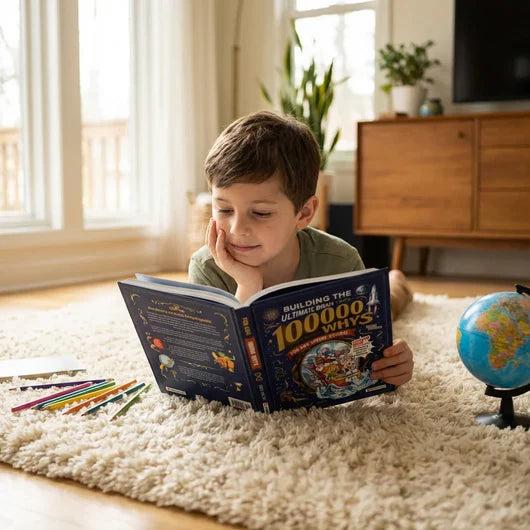
You want a resource that explains complex ideas in a way you can understand. The brain encyclopedia stands out because it balances depth with clarity, making sure you never feel overwhelmed. Experts agree that children learn best when content is both accessible and comprehensive. High-quality educational tools, like the brain encyclopedia, support active learning, engagement, and meaningful understanding.
Clear Explanations
You will find that the brain encyclopedia answers over 100,000 questions with simple, direct explanations. Each answer breaks down big ideas into manageable pieces. You do not need to worry about confusing jargon or overly technical language. Instead, you get clear, step-by-step guidance that helps you build knowledge at your own pace. Parents often notice that their children ask more questions and show greater curiosity after reading these explanations.
Note: High-quality educational resources with clear explanations help children develop literacy and school readiness skills.
Structured Topics
The brain encyclopedia organizes information in a way that makes sense to you. Each subject area appears in its own section, so you can easily find what you want to learn. The structure covers a wide range of topics, from the nervous system to history and technology. This organization helps you connect ideas and see the bigger picture.
|
Subject Areas Covered |
|---|
|
Autonomic Nervous System |
|
Communication, language and speech |
|
Disease and Dysfunction |
|
Evolution and Comparative Biology of Nervous Systems |
|
History |
|
Intercellular Communication |
|
Methods and Techniques |
|
Molecular and Cell Biology of Nervous Systems |
|
Motor Neuromuscular System |
|
Nervous System Development, Repair and Aging |
|
Neural Basis of Behavior |
|
Sensory Systems |
|
Structural Organization of the Brain |
You can explore each section at your own pace, making the brain encyclopedia a flexible tool for both independent study and family reading time.
Age-Appropriate Language
The brain encyclopedia uses language that matches your age and reading level. You will not find content that is too advanced or too simple. Instead, the book grows with you, offering explanations that become more detailed as your understanding deepens. This approach encourages you to keep learning and asking questions.
If you want more tips on choosing educational books for children, visit the Closerout blog for helpful resources. The brain encyclopedia gives you the confidence to explore new topics and supports your journey as a lifelong learner.
Active Learning Features for Better Retention 🎯
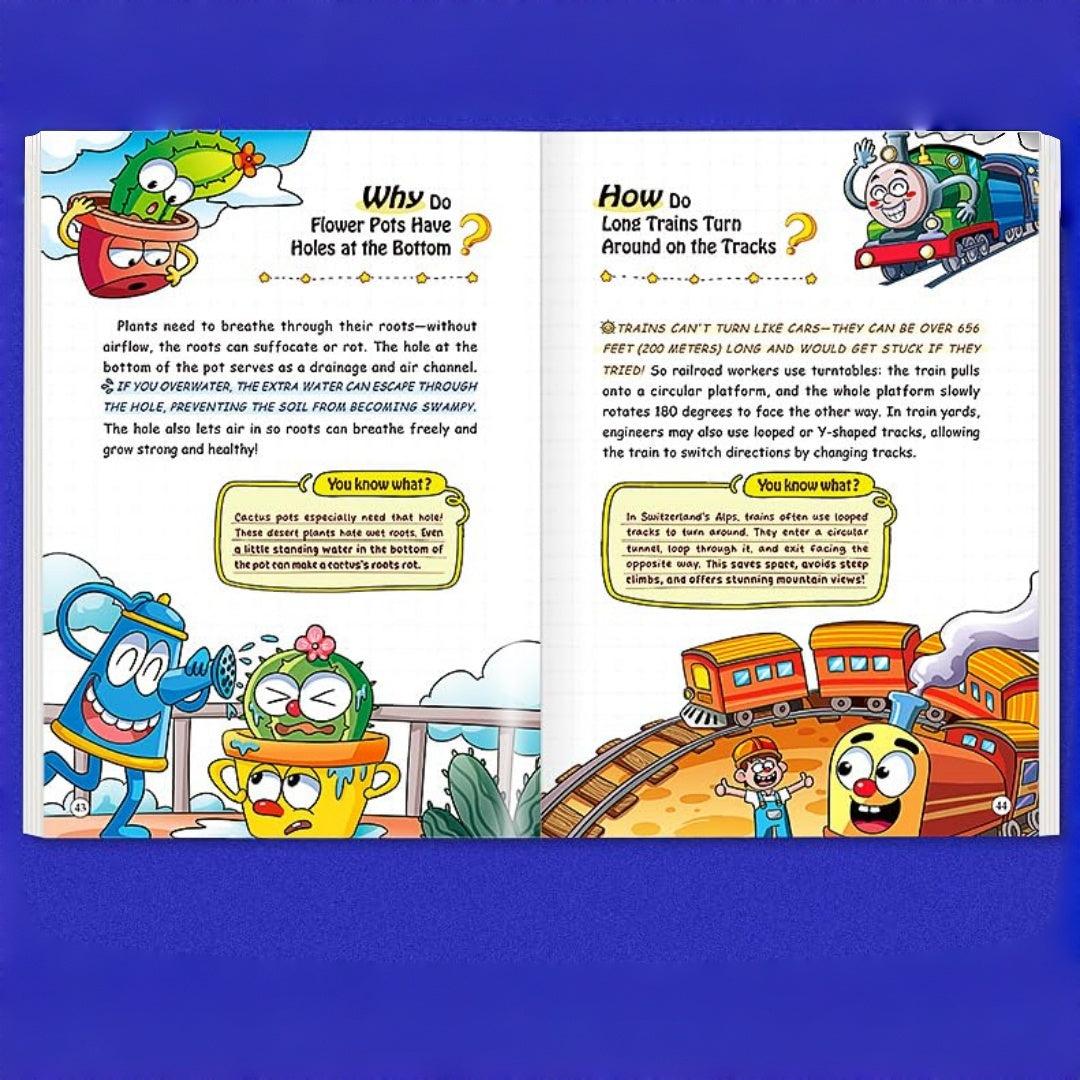
You want your child to remember what they learn and use it in real life. The encyclopedia makes this possible with interactive features that turn learning into an adventure. Research shows that active learning methods, such as quizzes and hands-on activities, help children achieve better results and develop critical thinking skills. You will find that the encyclopedia supports your child’s achievement by making every lesson engaging and memorable.
Engaging Quizzes
Quizzes in the encyclopedia give you a chance to test your knowledge right after reading. You answer questions about science, history, and technology. This process helps you remember facts and understand concepts more deeply. Roediger and Karpicke found that students who took quizzes regularly had better long-term retention and could apply information in new situations. The encyclopedia’s quizzes encourage you to think, recall, and celebrate each achievement.
Hands-On Activities
The encyclopedia includes hands-on activities that let you experiment and explore. You might build a simple model, conduct a science experiment, or draw a diagram. Bonwell and Eison showed that active learning increases motivation and engagement. When you use your hands and mind together, you learn faster and remember more. The encyclopedia’s activities help you connect ideas and see how things work in the real world.
Real-World Applications
You discover how knowledge from the encyclopedia applies to everyday life. The book gives examples of how science, math, and technology solve real problems. Freeman and colleagues found that active learning leads to higher exam scores and better achievement. The encyclopedia encourages you to ask questions, solve problems, and use what you learn outside the classroom.
Tip: The encyclopedia’s interactive features support your achievement and make learning fun for the whole family. Take advantage of Closerout’s current promotions—buy 3 get 1 free or save $10 off $100—to build your home library.
FAQs
Q: How do quizzes in an encyclopedia help children learn better?
A: Quizzes reinforce memory and understanding by encouraging children to recall information, which leads to better retention.
Q: Are hands-on activities important in children’s educational books?
A: Yes, hands-on activities boost engagement and help children connect what they read to real-world experiences.
For more tips and resources on children’s educational books and encyclopedias, visit the Closerout blog. 🎯
Comparing Brain Encyclopedia to Other World Encyclopedias 🌍

Visuals and Content Quality
You notice a clear difference when you compare the Brain Encyclopedia to a typical world encyclopedia. The Brain Encyclopedia uses vibrant illustrations and interactive diagrams that make learning exciting. Many world encyclopedia volumes rely on static images and dense text. You see that the Brain Encyclopedia presents information with colorful visuals, which helps you understand complex ideas quickly. Children often find world encyclopedia pages overwhelming because they lack engaging graphics. The Brain Encyclopedia stands out by offering vivid artwork and easy-to-follow infographics.
|
Resource Name |
Key Features |
|---|---|
|
Brain Encyclopedia |
Interactive diagrams, vivid illustrations, age-appropriate explanations |
|
World Encyclopedia |
Static images, detailed text, broad topic coverage |
|
Closerout Bible Study Workbook for Kids |
Interactive activities, weekly lessons |
|
NKJV Study Bible For Kids |
Color-coded sections, dictionary, high educational depth |
|
Hands-On Bible |
Crafts, experiments, real-life applications |
You see that the Brain Encyclopedia provides a balance of visual engagement and content clarity. Most world encyclopedia sets focus on breadth, but the Brain Encyclopedia delivers depth in a way that children can grasp.
Engagement and Learning Support
You experience more active learning with the Brain Encyclopedia than with a world encyclopedia. The Brain Encyclopedia includes quizzes, hands-on activities, and real-world applications. These features encourage you to participate and think critically. A world encyclopedia usually offers facts and summaries, but rarely includes interactive elements. You find that the Brain Encyclopedia supports your curiosity and helps you retain information.
- The Closerout Bible Study Workbook for Kids promotes engagement through interactive activities.
- The NKJV Study Bible For Kids enhances comprehension with structured layouts and extra resources.
- The Hands-On Bible makes learning enjoyable with crafts and experiments.
You discover that the Brain Encyclopedia fosters a love for learning. Families and educators prefer it because it adapts to different ages and learning styles. You can explore Closerout’s Kids & family category for more educational resources that support your child’s growth. For additional tips and related content, visit the Closerout blog. The Brain Encyclopedia offers a superior experience compared to any world encyclopedia, making it the best choice for your family.
You see how the Brain Encyclopedia stands out with superior visuals, accessible content, and active learning. These features make it the best choice for families and educators who want more than digital textbooks. When you use digital textbooks, you often miss out on the vivid illustrations and hands-on activities that spark curiosity. The Brain Encyclopedia helps you manage information, focus, and gain insights, as shown below:
|
Benefit |
Description |
|---|---|
|
Reduced Stress |
Helps manage personal information stream to alleviate stress. |
|
Enhanced Focus |
Offloading thinking allows for better focus on creative tasks. |
|
Improved Insights |
Curating knowledge leads to deeper understanding and insights over time. |
|
Increased Productivity |
Organizing knowledge helps in completing projects and goals efficiently. |
|
Clarity and Peace |
Creates a digital environment that promotes clarity and reduces mental clutter. |
You notice that curiosity grows when you explore beyond digital textbooks:
- Curiosity boosts learning outcomes and cognitive growth.
- It predicts performance as strongly as conscientiousness.
- Curiosity and conscientiousness together match the effect of intelligence.
- Dopamine release from curiosity strengthens memory and motivation.
You can find more resources in the Kids & family category and on the Closerout blog. Choose the Brain Encyclopedia to inspire curiosity and lifelong learning in your family. 🌟
FAQ
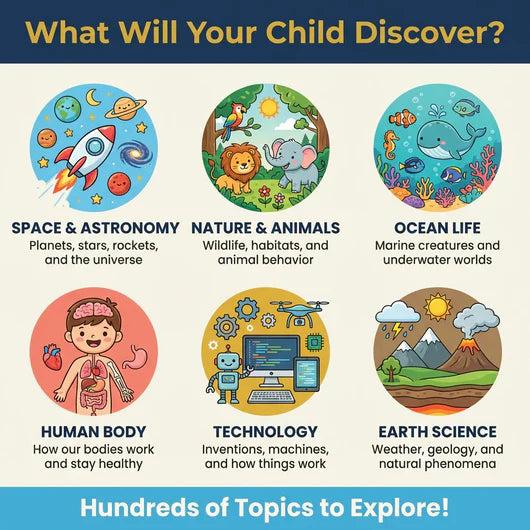
What makes the Brain Encyclopedia ideal for k-12 education? 📚
The Brain Encyclopedia offers clear explanations and vivid visuals that match k-12 students’ learning levels. It supports teachers by providing structured content that grows with students, making complex knowledge easy to grasp and encouraging curiosity throughout k-12 education.
How does the Brain Encyclopedia support student achievement? 🎯
This encyclopedia uses active learning tools like quizzes and hands-on activities to boost student achievement. These features help students retain knowledge longer and apply it in real life, improving understanding and critical thinking skills essential for success.
Can digital learning replace the Brain Encyclopedia? 💻
Digital learning offers convenience but often lacks the rich visuals and interactive features found in the Brain Encyclopedia. This book acts as a universal library that supports deep learning and engagement, complementing digital tools rather than replacing them.
Is the Brain Encyclopedia a permanent world encyclopedia for families? 🌍
Yes, it serves as a permanent world encyclopedia designed for children and families. It combines a world brain of knowledge with age-appropriate language, making it a lasting resource that grows with your child’s understanding.
How can teachers use the Brain Encyclopedia in classrooms? 👩🏫
Teachers can integrate the Brain Encyclopedia into lessons to enhance learning with vivid illustrations and structured topics. It supports diverse learning styles and encourages students to explore knowledge actively, improving classroom engagement and outcomes.
For more educational resources and tips, visit the Closerout blog. 🧠


