


I love seeing young readers dive into kids comic books packed with fun and learning. Research shows comics for ages 8 to 12 offer age-appropriate stories and boost motivation. Closerout’s Kids & Family category features Building the Ultimate Brain Encyclopedia for Children: Why 100,000?—plus buy 3 get 1 free and $10 off $100+ deals! 😊
Key Takeaways
- Kids comic books boost vocabulary and comprehension, making reading fun and engaging for young readers.
- Graphic novels motivate reluctant readers by combining images and text, helping them transition to more complex stories.
- Choosing the right comic involves considering the child's age, interests, and the positive messages within the stories.
Why Kids Comic Books Matter
Benefits for Young Readers
When I think about kids comic books, I see more than just colorful pages and funny characters. These books open doors for young readers, especially those who might not pick up a traditional novel. Research shows that graphic novels for kids motivate reluctant readers and help them build stronger comprehension skills. I love how the mix of pictures and words makes stories come alive, encouraging children to analyze both what they see and what they read.
Here are a few ways comic books help young readers thrive:
- They boost vocabulary and comprehension.
- They motivate kids who might not enjoy regular books.
- They empower children and spark a lifelong love of reading.
- They reflect diverse cultures and experiences, helping kids see themselves in stories.
Literacy and Creativity Boost
I’ve noticed that kids comic books do more than just entertain. They actually help children develop critical thinking and creativity. The combination of images and text challenges young minds to connect ideas and understand deeper meanings. Educational experts say that graphic novels help bridge the gap for reluctant readers, making it easier for them to move from picture books to more complex stories.
|
Benefit |
Description |
|---|---|
|
Enhanced Comprehension and Vocabulary |
Kids comic books improve reading comprehension and vocabulary through visual and textual storytelling. |
|
Bridging Reading Gaps |
They help reluctant readers transition from picture books to more complex texts, fostering a habit of reading. |
|
Cultural and Emotional Engagement |
Many comics feature diverse characters and stories, empowering readers by reflecting various cultures. |
|
Fostering Critical Thinking |
The integration of visual and textual literacy enhances critical thinking skills as readers analyze images and words. |
|
Support for ESL Learners |
Visual context aids ESL learners in understanding new vocabulary and complex language structures more easily. |
📚 Did you know? Studies show that children who read graphic novels are more likely to enjoy reading and consider themselves good readers!
FAQs
Q: Are comic books good for developing reading skills?
A: Yes! Comic books help kids build vocabulary, improve comprehension, and make reading fun.
Q: Can graphic novels help reluctant readers?
A: Absolutely. The visual storytelling in comics often motivates kids who struggle with traditional books.
Explore Closerout’s Kids & Family Collection
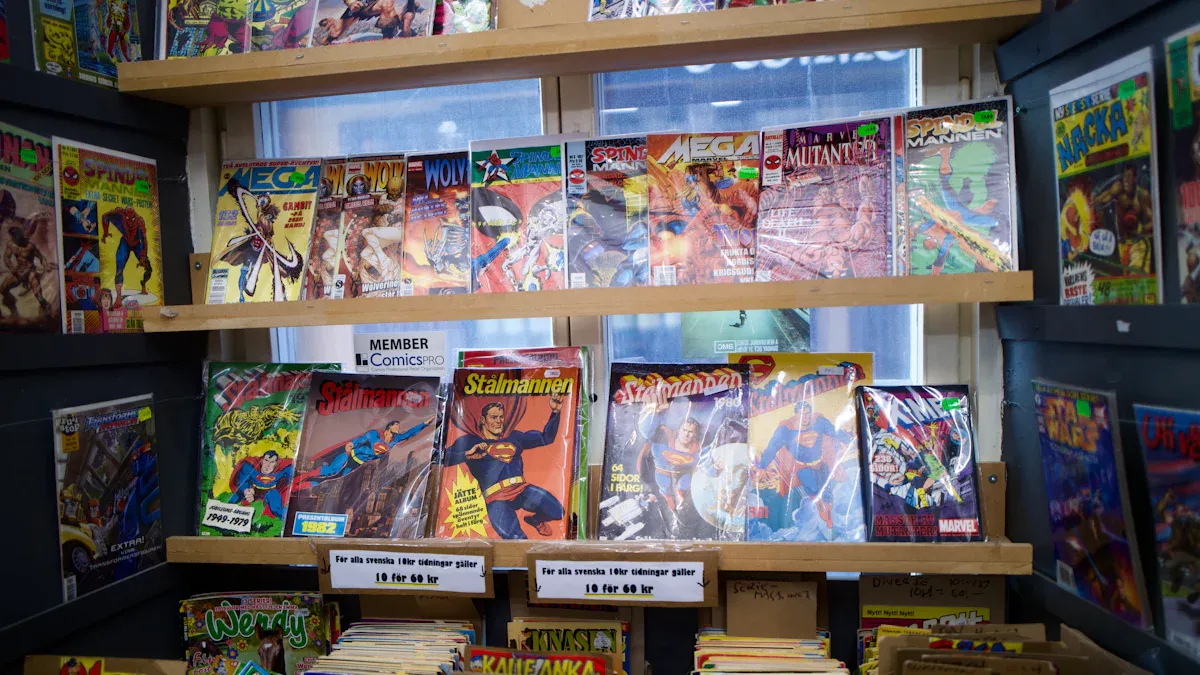
Kids & Family Category Overview
When I browse Closerout’s Kids & Family collection, I always find something new and exciting for young readers. This category brings together a wide range of children’s comic books, graphic novels, activity books, and educational resources. Whether you’re looking for laugh-out-loud adventures, inspiring stories, or books that spark curiosity, you’ll find options for every elementary school reader. I love how the collection supports both fun and learning, making it easy for families and teachers to pick the perfect book.
Here’s what you can expect in the Kids & Family category:
- 📚 Graphic novels and comics for ages 6-12
- 🧠 Educational workbooks and activity sets
- 🌎 Diverse stories that reflect different cultures and experiences
You can check out the full collection here.
Featured: Building the Ultimate Brain Encyclopedia for Children
One book that stands out to me is Building the Ultimate Brain Encyclopedia for Children: Why 100,000?. This encyclopedia packs fascinating facts, colorful illustrations, and brain-boosting challenges into every page. Kids can explore science, history, and fun trivia while building their knowledge and confidence. I think it’s a fantastic pick for curious minds and makes a great gift for any occasion.
💡 Don’t miss the current deals: Buy 3, get 1 free, or save $10 on orders over $100!
If you want more tips on choosing the right books, visit our Kids & Family blog.
FAQs
Q: What age group is the Kids & Family collection best for?
A: Most books are perfect for ages 6-12, but you’ll find options for younger and older kids too.
Q: Can I use these books in the classroom?
A: Yes! Many teachers use our graphic novels and activity books to support reading and learning.
Best Graphic Novels for Young Readers in 2026
When I look at the 2026 selection of anticipated kids graphic novels, I see a mix of new adventures and enduring classics. These best graphic novels offer something for every young reader, from laugh-out-loud humor to thrilling mysteries and brave heroes. I love how the selection covers a wide range of genres, reflecting the diversity found in the Little Maverick Graphic Novel Reading List. Whether you’re searching for titles for kids who love wacky adventures or stories that teach important lessons, this list has you covered.
Here’s a quick look at some of the most anticipated releases and beloved series for 2026:
|
Title |
Author |
Release Date |
|---|---|---|
|
JGN SPLATOON 3 #6 |
N/A |
May 2026 |
|
Spider-Man. Kizuna. 3 |
Setta Kobayashi |
2026 |
|
The Froggy Library |
Julie Fiveash |
2026-04-14 |
|
Fiddlehead Forest |
Jana Curll |
2026 |
|
Animal Crossing, New Horizons. Deserted Island Diary. 10 |
Kokonasu Rumba |
2026 |
|
Prehistoric Mammals |
Joe Flood |
2026 |
|
Ami Moon & the Galactic Peacekeepers |
Frances Lee |
2026 |
|
Pet Placement Society |
Primo Gallanosa |
2026 |
|
The Wolf in Underpants Moves On |
Wilfrid Lupano |
2026 |
|
Sonic Prime. Volume 3 |
Hayden Robel |
2026 |
|
Cloud Puppy. 3, Pup Days of Summer |
Kelly Leigh Miller |
2026 |
|
Lightfall: A Place Between |
Tim Probert |
2026 |
|
Geronimo Stilton, Reporter. #21, Rules of the Game |
Geronimo Stilton |
2025 |
|
Captain Underpants |
Dav Pilkey |
2026 |
Let’s dive into the best graphic novels for young readers in 2026:
Guts by Raina Telgemeier
I always recommend Guts to families and teachers. This graphic novel stands out for its honest portrayal of anxiety, phobias, and bullying. Raina Telgemeier never talks down to her audience, making the story relatable for all ages. Guts has won six Eisner Awards, a Boston Globe-Horn Book Honor, and a Stonewall Honor. These recognitions show how much the book resonates with young readers. The story’s humor and heartfelt moments help kids feel seen and understood.
Ami Moon and the Galactic Peacekeepers
Ami Moon and the Galactic Peacekeepers is one of my favorite anticipated kids graphic novels in the 2026 selection. The series explores emotions, friendship, and gratitude. Ami’s adventures with her alien companions teach lessons about peacekeeping and emotional regulation. I love how the characters help each other manage their feelings, making the story both fun and educational. Kids can learn about empathy and teamwork while enjoying new adventures.
The Wolf in Underpants Moves On
The Wolf in Underpants Moves On brings laugh-out-loud humor and a fresh perspective to young readers. The series uses the wolf’s underpants as a playful way to challenge stereotypes. Children learn to look beyond appearances and appreciate diversity. The story encourages acceptance and understanding, making it a great pick for families and classrooms. I find the humor in this series helps kids connect with important social themes.
A Blood Moon by Morr Meroz & Collin Fogel
A Blood Moon grabs my attention with its fast-moving story and well-developed characters. The series follows Usha, Feba, and Batu as they navigate survival and friendship in the Himalayas. The graphic artwork is vibrant and engaging. The story teaches cooperation and forgiveness, making it perfect for young readers who love thrilling mysteries and adventures. I think the captivating setting and relatable characters make this one of the best graphic novels for 2026.
Amelia Shadows by Matthew Dow Smith
Amelia Shadows offers a blend of mystery and humor. The series follows Amelia as she uncovers secrets in her town. I enjoy how the story encourages curiosity and critical thinking. The characters face challenges that help them grow, making the series a great addition to any 2026 selection.
Unicorn Secrets (Phoebe and Her Unicorn #23)
Unicorn Secrets continues the beloved series with new adventures and plenty of humor. Phoebe and her unicorn friend explore magical worlds and solve problems together. The series teaches kids about friendship, imagination, and resilience. I always see young readers laughing and learning with these stories.
A Kid Like Me
A Kid Like Me stands out for its focus on diversity and inclusion. The series features characters from different backgrounds, helping kids see themselves in the stories. I appreciate how the graphic novel encourages empathy and celebrates differences.
Dog Man by Dav Pilkey
Dog Man remains a favorite among young readers. The series delivers wacky adventures and laugh-out-loud humor. Dav Pilkey’s graphic storytelling hooks kids who might not enjoy traditional books. The characters face challenges and learn important lessons about friendship and creativity.
Captain Underpants by Dav Pilkey
Captain Underpants is a classic in the 2026 selection. The series uses humor to engage reluctant readers, especially boys. George and Harold’s mischief and creativity shine throughout the stories. The underpants theme adds a playful touch, making the series accessible and fun. Dav Pilkey believes humor can help kids overcome reading challenges. I see the series as a gateway for young readers to discover the joy of books.
Books like Captain Underpants also aren't totally devoid of educational value. Their ability to hook disengaged readers is priceless.
The Baby-Sitters Club Graphic Novels
The Baby-Sitters Club graphic novels support social-emotional learning. The series shows relatable problems and group dynamics, helping kids process emotions and build a sense of belonging. I notice that young readers connect with the characters and learn valuable lessons about friendship and teamwork.
Hilo Series
The Hilo series brings action, humor, and heart to the 2026 selection. Hilo’s adventures teach kids about bravery and kindness. The graphic storytelling keeps young readers engaged, and the characters inspire kids to be brave heroes in their own lives.
InvestiGators
InvestiGators is a series that fosters investigative and problem-solving skills. The stories encourage scientific thinking, creativity, and collaboration. Kids learn to think like scientists and solve mysteries together. I love how the series makes learning fun and interactive.
|
Skills Fostered |
Activities Involved |
|---|---|
|
Investigative Skills |
Hands-on projects that encourage scientific thinking |
|
Problem-Solving Skills |
Collaborative exploration and creativity |
|
Scientific Thinking |
Investigations and experiments |
|
Mathematical Concepts |
Building math skills through activities |
|
Creativity |
Invention and creation |
The Wolf Code: Cultivating Champion Thinking Patterns
The Wolf Code: Cultivating Champion Thinking Patterns is a unique series that helps kids develop positive mindsets. The stories teach resilience, leadership, and self-confidence. I recommend this graphic novel for families who want to encourage growth and champion thinking in their children. Check out The Wolf Code here.
Science Comics Series
The Science Comics series introduces scientific concepts in a fun and engaging way. The stories cover topics like dinosaurs, worms, bees, and coding. Kids learn about paleontology, ecology, and computer science through graphic storytelling. I find the series perfect for curious young readers who love learning about the world.
|
Title |
Scientific Concept Introduced |
|---|---|
|
Science Comics: Dinosaurs |
Dinosaur science and the history of paleontology |
|
We Dig Worms! |
Fun facts about worms and their ecological role |
|
Clan Apis |
Life cycle of bees and their roles within a hive |
|
Secret Coders series |
Basics of coding and computer science concepts |
Bible Study Workbook for Kids
Bible Study Workbook for Kids offers a blend of faith and fun. The series helps children explore biblical stories and lessons through engaging activities. I see families using this graphic resource to spark meaningful conversations and build strong values. Explore Bible Study Workbook for Kids here.
Pet Placement Society
Pet Placement Society is a heartwarming series about animals finding their forever homes. The stories teach compassion, responsibility, and gratitude. I love how the characters help young readers understand the importance of caring for pets and others.
FAQs
Q: What makes a graphic novel a good choice for elementary school readers?
A: The best graphic novels combine engaging stories, relatable characters, and educational themes. They use humor and adventure to keep young readers interested.
Q: Are graphic novels suitable for classroom use?
A: Yes! Many teachers use graphic novels to support literacy, creativity, and social-emotional learning.
How to Choose Kids Comic Books
Choosing the right kids comic books for young readers feels exciting but sometimes overwhelming. I always start by thinking about the child’s age and reading level. Middle-grade students need graphic stories that match their skills and interests. I look for comics with clear vocabulary and themes that fit their stage. Here’s what I check when picking graphic adventures for young readers:
Age and Reading Level
- Consider the child’s age
- Assess the reading level
- Take into account the child’s interests
- Evaluate the complexity of the text
- Look at the vocabulary level used
- Examine the themes explored in the comic book
I notice that middle-grade students often enjoy graphic novels with relatable characters and simple plots. Young readers benefit from comics that build confidence and spark curiosity.
Interests and Themes
I ask kids about their favorite adventures and hobbies. Graphic novels cover everything from science to fantasy. When I match a comic to a child’s interests, I see them dive into reading with excitement. Stories about friendship, animals, or superheroes can make a big difference.
Positive Messages
I always check for graphic stories that teach kindness, resilience, and teamwork. Kids comic books with positive messages help young readers grow. I want them to feel inspired and supported as they explore new worlds.
Price Ranges and Accessibility
|
Format |
Price Range |
Accessibility Options |
|---|---|---|
|
Single Issues |
$2.99 - $4.99 |
Available at comic book shops |
|
Trade Paperbacks |
$9.99 - $14.99 |
Collected stories, available in physical format |
|
Digital Comics |
Varies, often free |
Available via apps like Comixology and library services |
|
Subscription Services |
$9.99/month or free |
Options like Hoopla Digital for library card holders |
💡 Tip: Many libraries offer graphic novels and comics for free, making them accessible to all families.
FAQs
Q: How do I know if a comic is age-appropriate for my child?
A: Check the recommended age range and read a few pages to see if the vocabulary and themes fit your child’s needs.
Q: Are graphic novels good for reluctant readers?
A: Yes! Graphic adventures often motivate young readers who struggle with traditional books.
More Resources for Parents and Educators
As a parent or teacher, I always look for ways to make reading more exciting for young readers. I’ve found that the right resources can turn comic books into powerful learning tools. Here are some of my favorite places to start:
Closerout Books & Resources Blog
I often visit the Closerout Books & Resources blog for fresh ideas and book recommendations. The blog covers tips for encouraging reading, creative activities, and ways to use comics in the classroom. I also find links to other educational resources and printable guides that help me support young learners at home or school.
💡 Tip: Try new formats like graphic novels or audiobooks. Let kids choose between print, ebooks, and comics. Celebrate their reading achievements with digital badges or small rewards!
Using Comics in Education
I love using comics to spark discussions about characters and themes. Sometimes, I ask kids to create their own comic strips or write alternate endings. These activities boost creativity and help them connect with the stories. I always match comic books to each child’s interests and reading level. This keeps them motivated and engaged.
- Encourage kids to talk about what they read and share opinions.
- Personalize comic selections for each reader.
- Use creative projects to deepen understanding.
Comic books combine text and images, which helps young readers—especially those learning English—build vocabulary and comprehension. I see comics as a bridge for struggling readers and a fun way to foster a lifelong love of reading.
FAQs
Q: How can I use comics to help my child enjoy reading?
A: Let your child pick comics that match their interests. Talk about the stories together and try drawing your own comics at home.
Q: Are comics helpful for classroom learning?
A: Yes! Comics encourage discussion, creativity, and critical thinking. Many teachers use them to support literacy and engagement.
I always see kids light up when they find the right comic book. Graphic novels help struggling readers by using images as clues and make classic stories easy to enjoy. If you want your child to love reading, check out Closerout’s Kids & Family collection and grab those special deals! 📚
FAQ
What age are kids comic books best for?
I usually see kids ages 6 to 12 enjoy these comic books the most. Some titles work for younger or older readers too! 📚
How do I know if a comic book is right for my child?
I check the recommended age on the cover. I also read a few pages to see if the story and pictures fit my child’s interests.
Can graphic novels help my child become a better reader?
Yes! I notice graphic novels boost reading confidence and vocabulary. They make reading fun and help kids understand stories with both words and pictures. 😊


