


You want the best for your audience when choosing comic books for kids. Both print and digital options offer unique advantages. Research shows children often follow their interests and family habits when selecting a format.
|
Format |
Preference Percentage |
|---|---|
|
Printed Comics |
|
|
Digital Comics |
25% |
Families find Closerout’s resources helpful, including Building the Ultimate Brain Encyclopedia for Children: Why 100,000? 🧠. Explore current promotions to support your child's reading journey.
Key Takeaways
- Print comic books enhance focus and creativity. The tactile experience of holding a book helps children engage more deeply with the story.
- Digital comic books offer convenience and accessibility. Kids can explore a variety of genres anytime, making reading more flexible for busy families.
- Mixing print and digital formats provides the best of both worlds. This approach supports diverse learning styles and keeps reading enjoyable for children.
Print Comic Books for Kids
Tactile Experience and Focus
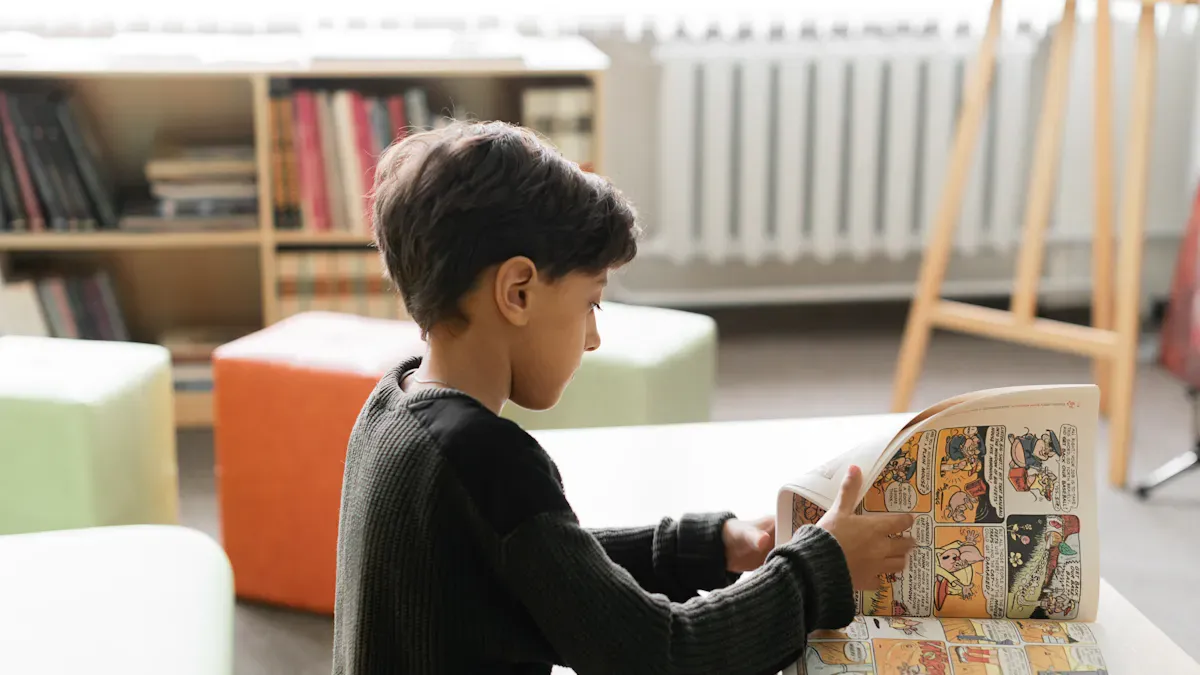
When you choose print comic books for kids, you give them a unique tactile experience. Children benefit from holding a book, turning pages, and seeing vibrant illustrations up close. This kinesthetic relationship with printed text enriches imagination and creativity. The physical act of reading print helps kids focus, reducing distractions from digital devices. Studies show that touch, visuals, and spatial orientation improve comprehension and communication.
|
Evidence Description |
Impact on Children |
|---|---|
|
The kinesthetic relationship with printed text was deeply enriching and gratifying. |
Enhances imagination and creativity, leading to deeper comprehension and communication. |
|
The kinesthetic experience associated with reading a paper book was far more enriching than online. |
Promotes a more engaging and focused reading experience. |
|
Touch, visuals, spatial orientation, creativity, imagination, emotions, and connections impact comprehension. |
Improves reading skills and overall comprehension. |
|
Students developed a specific relationship to the printed text and emotional attachment. |
Increases interest in reading and fosters a connection to the material. |
Family Reading and Collecting
Print comic books for kids encourage family reading and collecting. You can share stories together, discuss emotions, and explore moral dilemmas. Collecting print comics creates lasting memories and builds a love for reading.
- Comics and graphic novels stimulate imagination by letting kids explore fantastical worlds.
- They act as a gateway to traditional literature.
- Shared reading promotes social development and meaningful conversations.
Age Suitability and Durability
Print comic books for kids suit a wide range of ages. Graphic novels help students learning to read or those with reading disabilities. Boys often show strong interest in comics around age 7, peaking at age 12. Print comics introduce sophisticated vocabulary and bridge gaps to traditional literacy. Educators now recognize print comic books as valuable tools for reluctant readers.
Tip: Explore Closerout’s Kids & Family collection for durable print comic books for kids. Take advantage of current promotions to build your family library. 📚
FAQ:
Are print comic books better for young children?
Print comic books for kids enhance literacy and comprehension through multimodal communication. They combine text and images, making complex subjects easier to understand.
How do print comics help with reading development?
Print comic books for kids expose children to diverse vocabulary and language structures. They motivate reluctant readers and improve literacy skills over time.
Digital Comic Books for Kids
Convenience and Accessibility
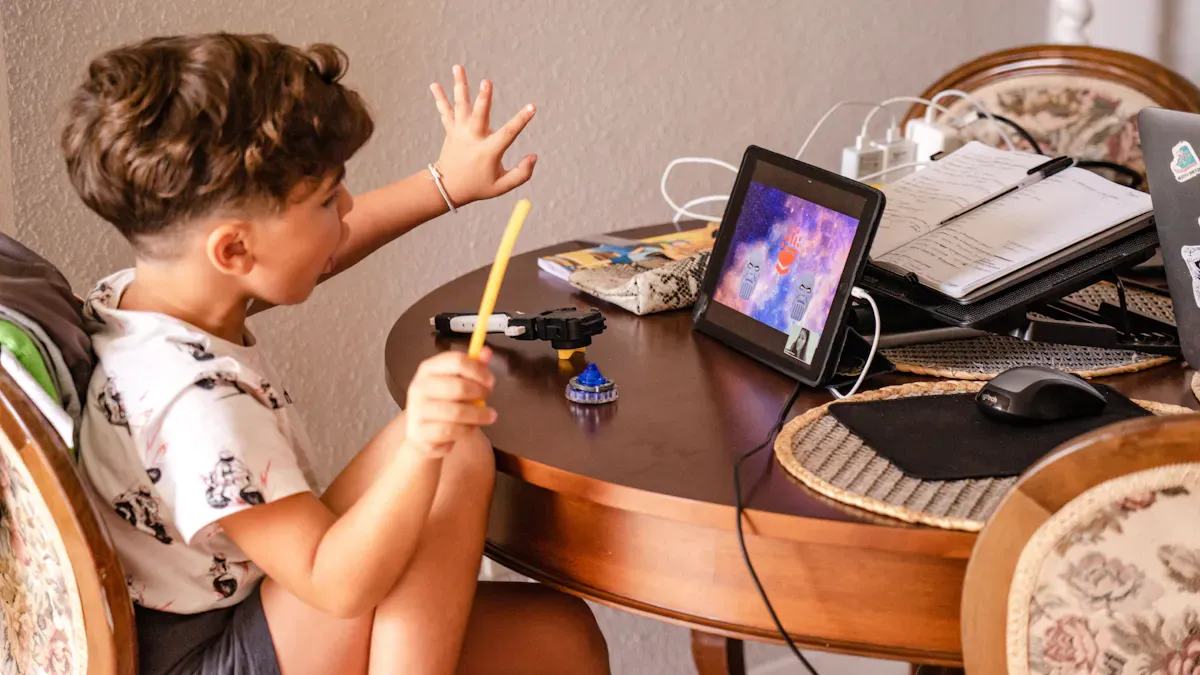
You can access digital comic books anywhere, anytime. Platforms like ComiXology, Webtoon, and Tapas offer a wide selection for children. Kids enjoy exploring different genres with just a few taps. Digital comics support visual learning in schools, making them a practical choice for busy families.
- Portability means you never worry about losing a book.
- Accessibility features help children with reading challenges.
- Digital comics let you sample stories before committing.
Visual Quality and Interactive Features
Digital comic books deliver vibrant visuals and interactive experiences. High-quality images and sound words make stories come alive. Augmented reality features boost comprehension and engagement.
- Dialogue boxes and visual storytelling guide you through each scene.
- Interactive elements encourage kids to create their own stories.
- Children spend more time with digital comics, leading to better understanding and enjoyment.
Tip: Look for digital comics with AR features to enhance learning and fun. 🎮
Managing Distractions and Screen Time
Digital comic books can distract kids if you do not set boundaries. Staring at screens for long periods may cause eye strain, especially for young readers. Symptoms include blurry vision, dry eyes, and headaches.
- Follow the 20-20-20 rule: every 20 minutes, look at something 20 feet away for 20 seconds.
- Use anti-glare screen protectors and keep devices at arm’s length.
- Choose devices like iPads, 8" tablets, or LG G Pad X 8.0 for optimal quality and comfort.
FAQ:
Are digital comics safe for kids’ eyes?
Digital comic books are safe if you manage screen time and use proper lighting. Encourage breaks to protect your child’s vision.
What devices are best for reading digital comics?
iPads, 8" tablets, and LG G Pad X 8.0 offer high-quality screens and portability, making them ideal for digital comic reading.
Comparing Drawbacks
Print: Storage and Cost
You may love the feel of print comics, but they come with some challenges. Physical copies take up space in your home. You need special boxes for floppy comics, and these do not fit well on regular bookshelves. Each comic often requires a bag and board for protection, which adds to the cost and weight. Long-term collectors sometimes invest in storage boxes or even grading services. Storage units for comic books can cost hundreds of dollars each month, making collecting a financial burden for many families.
|
Drawback |
Description |
|---|---|
|
Physical Space Required |
Floppy comic books require specific storage boxes, and they do not fit well on bookshelves. |
|
Cost of Protective Materials |
Each comic needs a storage bag and board, adding to the overall weight and space needed. |
Digital: Eye Strain and Distraction
Digital comics offer instant access, but you need to manage screen time. Staring at screens for long periods can cause eye strain, blurry vision, or headaches. Children may also get distracted by notifications or other apps. Licensing issues can limit your access if a platform removes a title. Digital comics provide a different reading experience, with convenience and interactive features, but you must set boundaries to keep reading fun and healthy.
Tip: Establish reading rituals like bedtime stories or family reading sessions to balance screen time. Plan unplugged adventures, such as library visits or nature hikes, to encourage a variety of reading experiences. 📚🌳
Balancing Both Formats
Mixing print and digital comics gives your child the best of both worlds. Comics enhance engagement, memory, and conceptual learning, especially for new readers. Illustrations reinforce information and help set the scene. Print comics offer a tactile reading experience and aesthetic enjoyment, while digital comics provide convenience and interactive elements. Studies show children often comprehend better with print, especially for longer texts, but digital comics can boost interest and understanding for shorter stories.
FAQ:
How can I limit screen time with digital comics?
You can set clear rules for device use. Require chores or homework before screen time. Lead by example and create tech-free zones at home. "The best way to teach our children about balanced technology use is to demonstrate it ourselves."
Do digital comics offer the same reading experience as print?
Print comics give a tactile reading experience and deeper engagement. Digital comics offer convenience and interactive features. Both formats support learning, but print often leads to better comprehension for longer stories.
Choosing the Right Format for Your Child
Age and Learning Style
You want your child to enjoy reading and learn effectively. Age and learning style play a big role in choosing the right comic book format. Younger children benefit from books with many images. Pictures help them understand stories and keep them engaged. Older children can handle books with fewer images. Their reading style changes as they mature, and they start to focus more on text.
Educators analyze graphic novels to make sure they fit different age groups. Graphic novels require a unique approach because visuals affect reading levels. You should consider your child’s age and how they learn best. Some children prefer visual stories, while others enjoy more text. Allowing children to choose their reading materials increases their reading frequency and enjoyment. The percentage of students reading for fun drops from 57% to 35% between ages 8 and 9. The love for reading decreases from 40% to 28% during the same age range. Giving your child control over their reading choices helps maintain their interest.
Tip: Let your child pick their own comic books. This builds independence and a lifelong love of reading. 📚
Family Habits and Shared Reading
Family habits shape your child’s reading experience. You can set up family or classroom reading time where everyone reads together. Encourage storytelling and book discussions during meals or car rides. Starting a family or classroom book club fosters shared experiences and meaningful conversations.
You help your child develop intrinsic motivation by giving them control over their reading choices. Letting kids pick their books builds independence and a love of reading. Shared reading strengthens family bonds and supports social development.
|
Family Reading Ideas |
Benefits for Children |
|---|---|
|
Family reading time |
Builds routine and focus |
|
Storytelling over meals |
Encourages discussion |
|
Book clubs |
Fosters shared experiences |
|
Child-led book selection |
Boosts motivation and enjoyment |
Note: Shared reading creates lasting memories and helps children develop strong communication skills. 👨👩👧👦
Exploring Closerout’s Kids & Family Collection
You can find quality educational comic books for your child in Closerout’s Kids & Family category. This collection offers a wide range of books for families and educators. Featured products like Building the Ultimate Brain Encyclopedia for Children: Why 100,000? provide engaging content that supports learning and curiosity.
Not all comics are about superheroes. Graphic novels include adaptations of classics like Pride and Prejudice. These books motivate reluctant readers and improve skills such as inference and reading comprehension. Children often slow down and engage more deeply with text and images in comics. This enhances their understanding of the plot. Graphic novels can be paired with traditional literature to create relatable themes. They are also beneficial for children with learning disabilities. Comics help them identify emotions and boost self-esteem through manageable reading experiences.
Tip: Look for books with strong visuals and sturdy covers. Durability matters when children read often. 📖
FAQ:
What’s the best comic format for reluctant readers?
Graphic novels and comics engage reluctant readers through visual narratives. Matching comic book formats to your child’s interests is crucial for engagement. Visual complexity should help comprehension, not make it harder.
How do I find quality educational comics for my child?
You should look for comics that offer relatable themes and strong visuals. Pair graphic novels with traditional literature for deeper learning. Choose books that support children with learning disabilities and provide durable materials.
More Resources for Comic Books for Kids
Educational and Fun Book Recommendations
You can find a wide range of comic books and graphic novels that support learning and spark curiosity. Some popular choices include the Bible Study Workbook for Kids, The Wolf Code: Cultivating Champion Thinking Patterns, and Leadership Academy: Leader-Ship Enlightenment. Each book uses a unique design to engage young readers and help them build new skills. You can also explore science-themed comics like Institute of Odd and Strange Research in Physics and Chemistry or nature stories such as Whitetail, Whitetail, What Do You See?. 📚
Closerout’s Kids & Family Category
Closerout’s Kids & Family category offers bundles and deals for families and educators. You can save with promotions like Buy 3 Get 1 Free or $10 off orders over $100.
Tip: Bundles make it easy to build a home or classroom library while saving money. 🎉
Visit Our Blog for More Tips
You can discover more reading tips, book reviews, and educational resources on the Closerout blog. The blog covers topics like how to choose the right comic book design for your child and ways to encourage family reading time.
FAQ:
Where can I find more educational comic books for kids?
You can browse the Kids & Family category on Closerout for a curated selection of educational and fun comic books.
Are there any deals or bundles for children’s books?
Yes, Closerout offers bundle packs and regular promotions to help you save on children’s books and comics.
You can give your child the best of both worlds by exploring print and digital comic books. Each format offers unique benefits:
|
Advantage |
Description |
|---|---|
|
Tangible Experience |
Print comics provide a physical touch and collectibility. |
|
Immersive Reading |
Digital comics offer immersive formats and easy online access. |
- Observe your child’s stage of development and interests.
- Mixing formats exposes them to diverse stories and deeper reflection.
Explore Closerout’s Kids & Family collection to support a lifelong love of reading! 📚✨
FAQ
What are the best comic books for kids to start with? 📚
You can try classics like "Bone," "Dog Man," or "Amulet." These graphic novels use simple language and engaging stories for young readers.
How do you encourage kids to read more comic books? 🌟
Let your child choose their own comics. Read together as a family. Celebrate their reading milestones with small rewards or praise.
Is it better for children to read comics in print or digital format? 🤔
Both formats have unique benefits. Print comics help with focus and tactile learning. Digital comics offer convenience and interactive features.


